DIY Design Elements Cheat Sheet
Six principles to keep in mind for a well-designed room
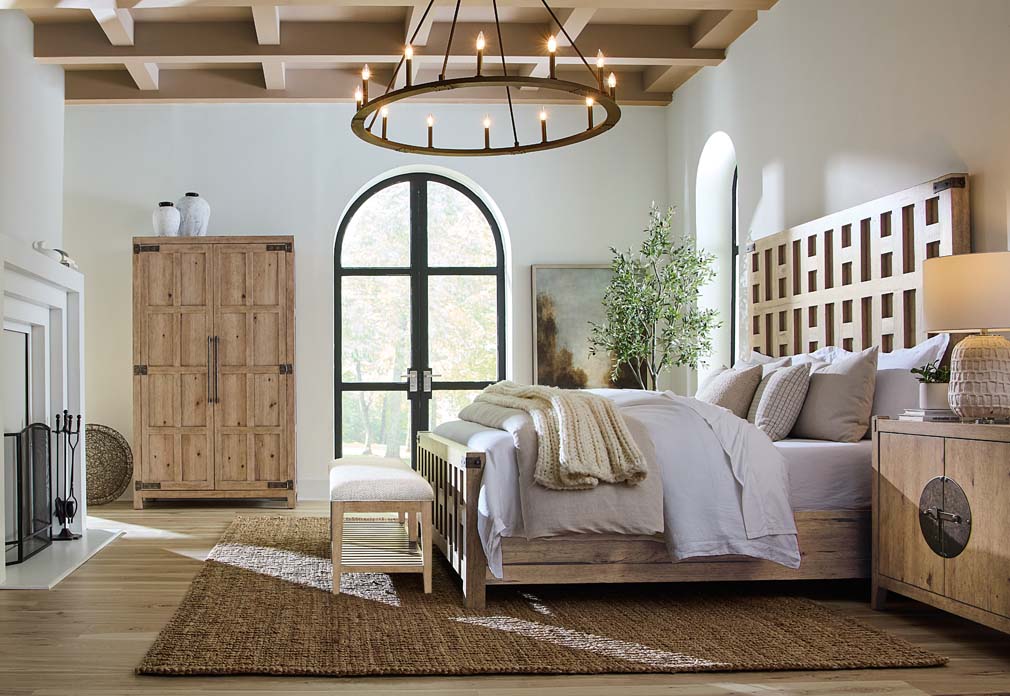
“When designing a room, where do you start?” It’s a question that comes our way almost every day. While the answer can vary depending on the individual, we have a few recommendations to help you get started on any project, whether you’re designing a new space or giving an old one a facelift. These elements form the foundation of a well-designed room, and when they are in play, the results feel balanced and grounded—without being too matchy-matchy. The beauty of interior design is that there’s no right or wrong way to decorate your home. What’s important is that your home meets your needs and reflects your style and personality. With that in mind, here are six principles to keep in mind when designing a room.
Balance
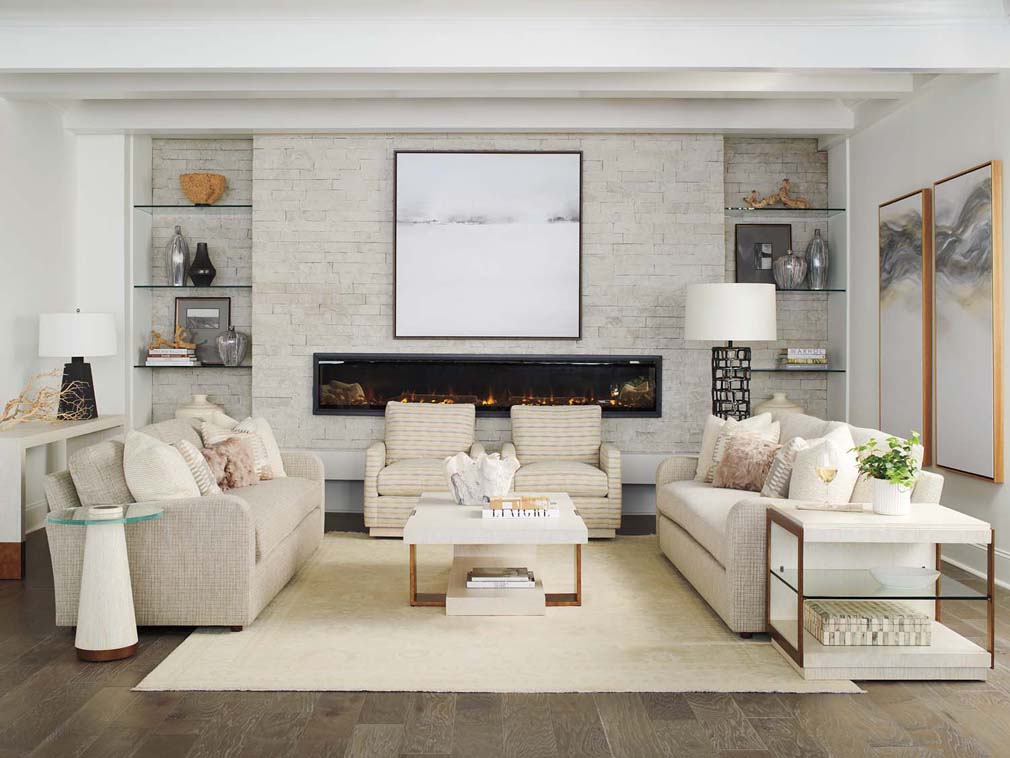
Balance refers to the equal distribution of visual weight in a room. Consider the proportion and scale of the objects in your design and how they relate to one another. For example, a heavy sofa on one side of a room can be balanced with a pair of chairs and an accent table on the other. Mix linear with curvilinear elements; for instance, pair an ottoman with a modern track arm sofa and barrel back swivel chairs. A balanced room creates a sense of harmony and equilibrium.
Texture
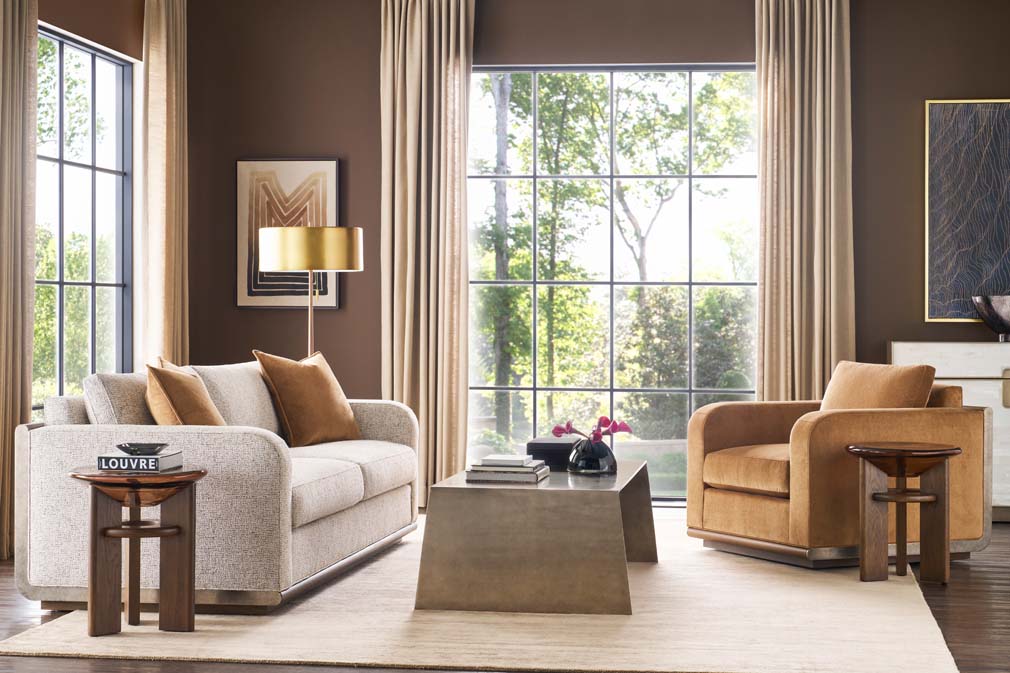
Texture adds visual interest and makes a room feel polished. Think mixed materials—like a leather sofa paired with soft alpaca throw pillows, or a velvet chair next to a petrified stone and metal side table. Textiles and accessories, such as upholstery, draperies, pillows, and throws, add depth and personality. Layers of texture built over time add history to a space.
Form Designed Around Function
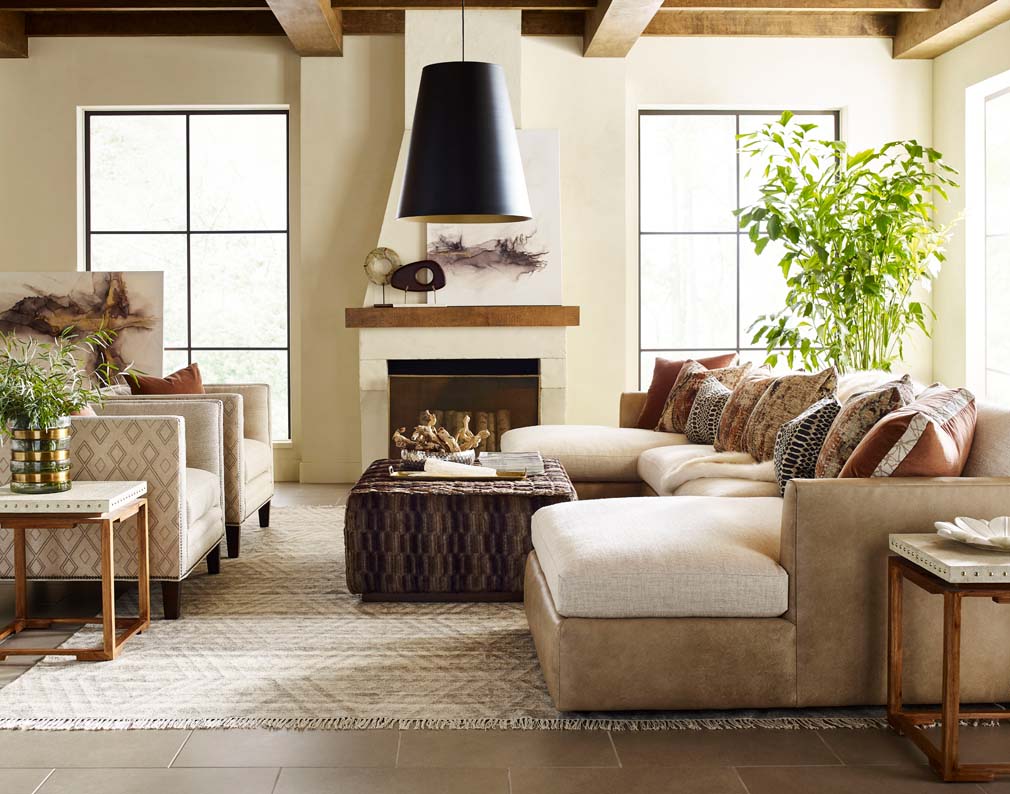
Your home needs to work for your lifestyle. For example, on design shows, you rarely see a room centered around the television. But if TV time is important to your family, design around it. Contrary to popular belief, comfort and style aren’t mutually exclusive. You can find lush, comfy sectionals and side chairs that fit your whole family and still look amazing.
A Touch of Organic Materials
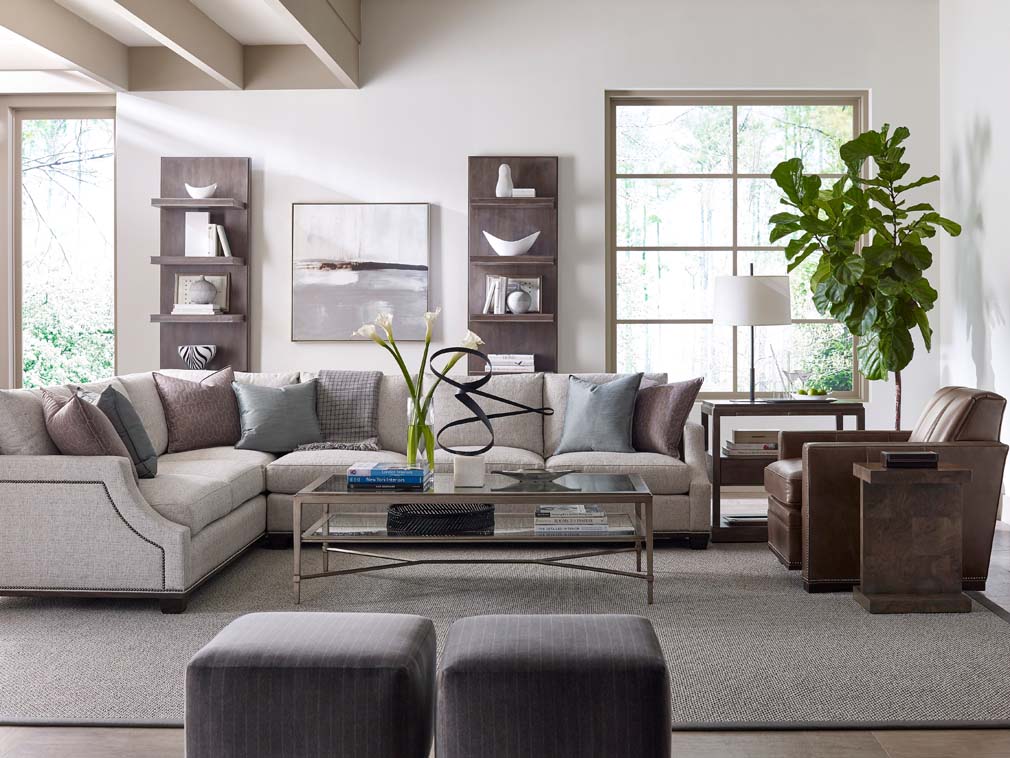
Just like nature, our homes are living, breathing spaces. They nourish and restore us, serving as our indoor sanctuaries. Nature-inspired design elements, such as various types of wood, greenery, and flowers, help keep our spaces grounded and fresh.
A Stunning Focal Piece
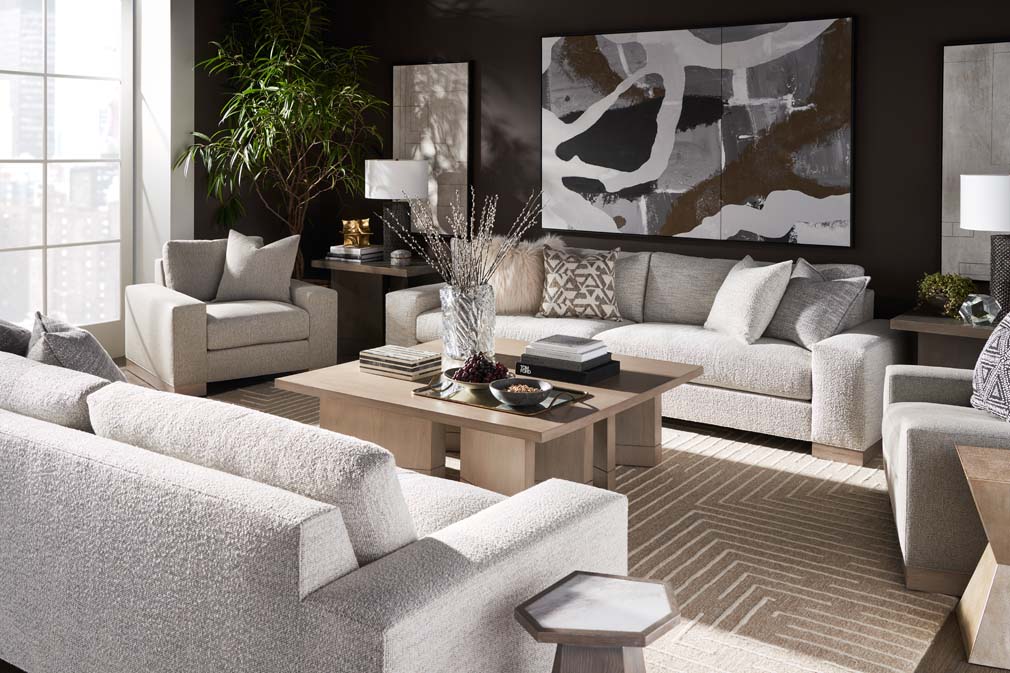
Every room should have a focal point that draws the eye. Whether it’s a beautiful piece of art, a stunning piece of furniture, or a built-in feature like a stacked stone fireplace or a floor-to-ceiling window, this focal piece should inform the design of the entire space.
Personality
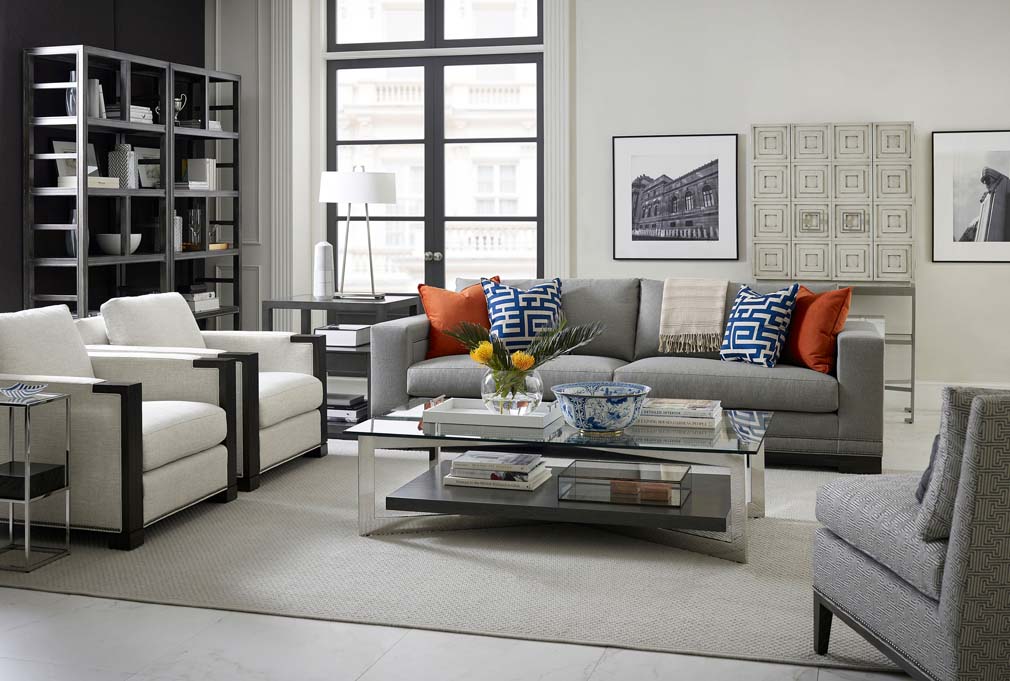
Last, but certainly not least, nothing makes a house a home like the unique touches that make a space personally meaningful. Whether it’s souvenirs from travel, mementos of the past, family heirlooms, art, or something else, infuse your home with things that matter to you. Pinpoint words that define how you want your space to feel—warm and welcoming, relaxing, inviting, cozy, elegant, sophisticated, casual—and let them guide your design. Incorporate your favorite colors, add playful dashes of whimsy, and—our personal favorite—don’t forget the bling!