The Rug Rules: How to Choose the Right Size Rug for Your Living Room Without Losing Your Sanity
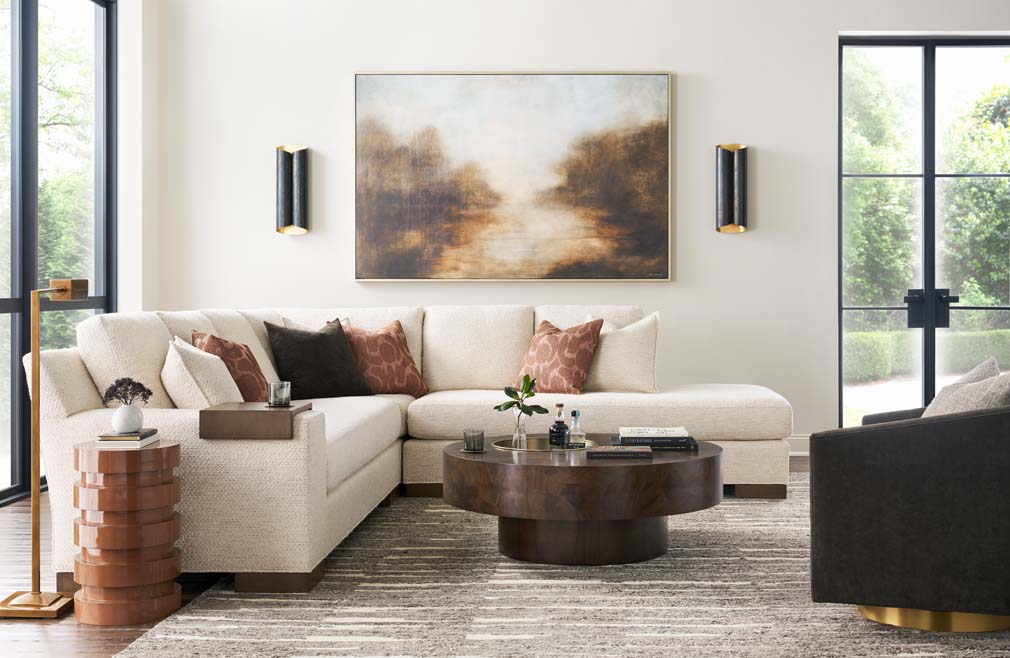
Let’s talk rugs. They’re cozy, stylish, and have an almost magical ability to bring a room together—when done right. But get the size wrong, and suddenly your beautiful space looks more like a dollhouse diorama or a patchy island floating in a sea of hardwood.
Choosing the right rug size for your living room isn’t just about guessing and hoping for the best. It’s about scale, proportion, layout, and yes—maybe a touch of design bravery. Whether you’re working with a sprawling great room or a cozy condo corner, here’s your ultimate guide to rug sizing, placement, and understanding what kind of rug you’re even standing on.
Rug Size 101: Why Size Matters More Than You Think
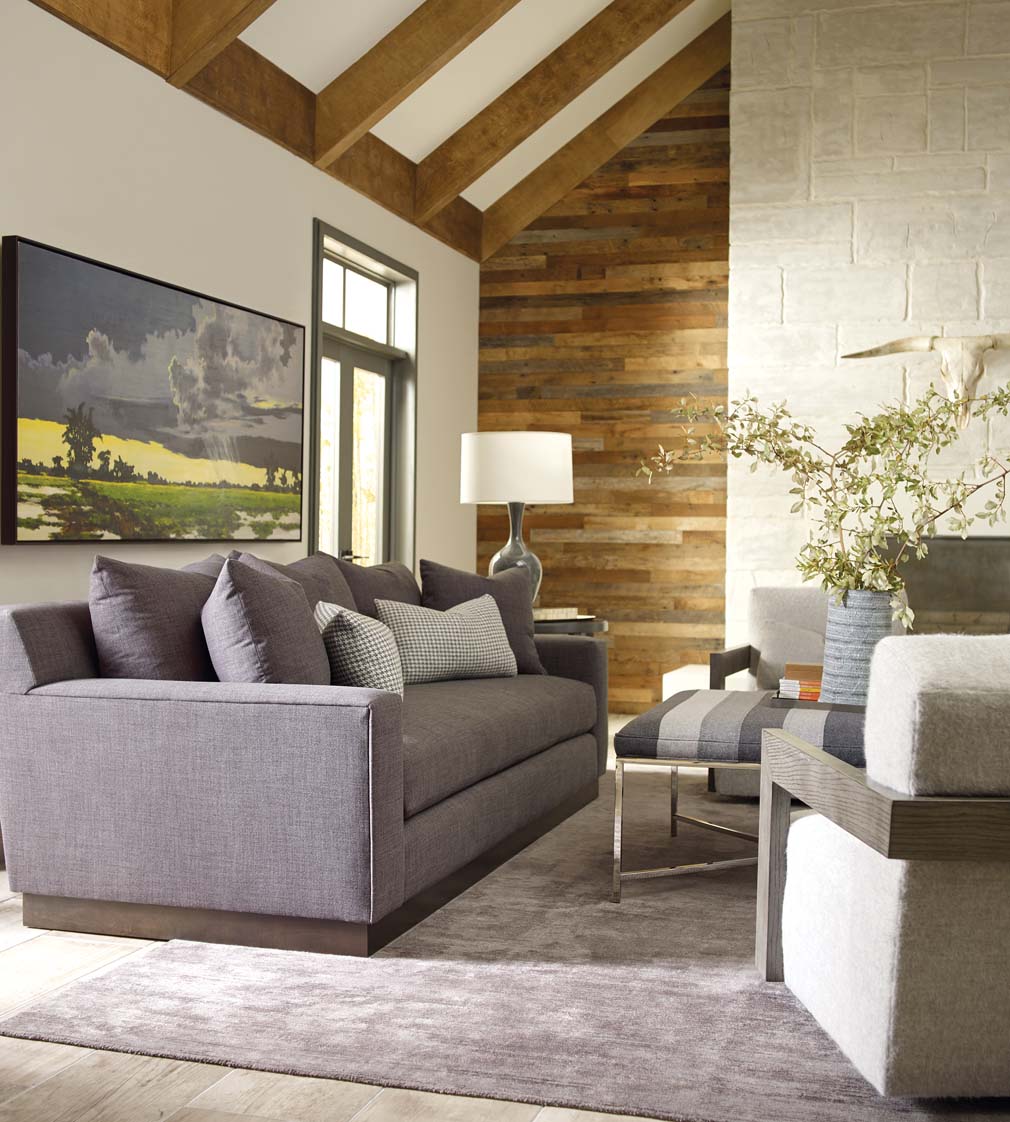
We get it. The 5×7 rug at the big box store is on sale, and it looks like it’ll do the trick. But unless your living room is the size of a walk-in closet, a rug that small is likely going to make your furniture feel like it’s stranded on a rug lifeboat in the middle of your floor.
Here’s the golden rule: the rug should anchor the furniture, not fight with it.
General Rug Size Guidelines:
- Small Living Rooms: 5×8 or 6×9 rugs can work if the front legs of your sofa and chairs are on the rug.
- Medium Living Rooms: 8×10 is a versatile choice. It usually allows for all the front legs of your major furniture to rest comfortably on the rug.
- Large Living Rooms: 9×12 or larger. This is when you can go big and bold—entire furniture pieces can sit on the rug without looking cramped.
Pro tip: Always measure your seating area before shopping. You want your rug to be large enough to define the space, but not so large it eats your baseboards for breakfast.
Should Furniture Sit on the Rug? Let’s Break It Down
There’s more than one way to style a rug, but not all are created equal. Here’s how to avoid the dreaded “floating rug” look.
The Full Commitment: All Legs On
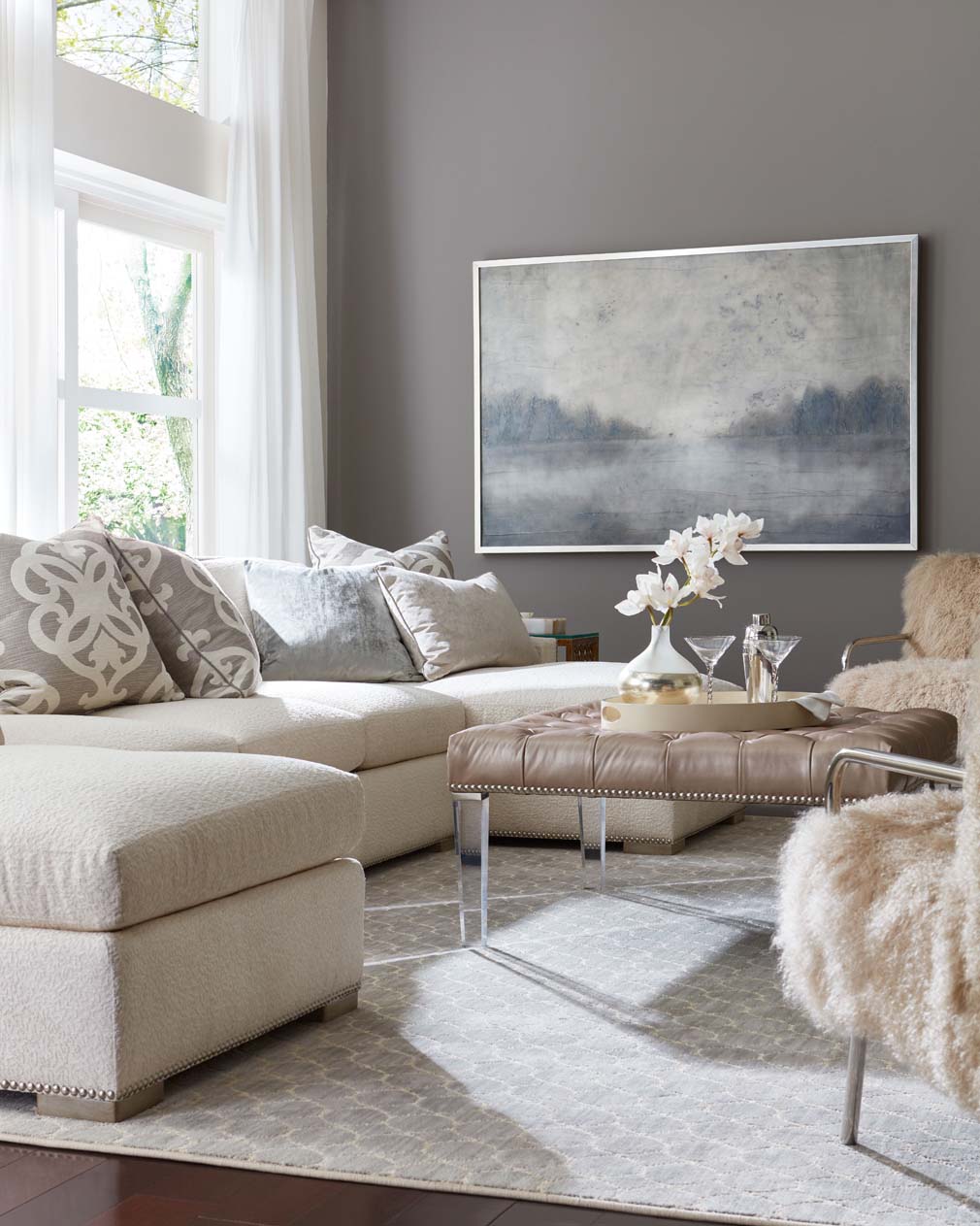
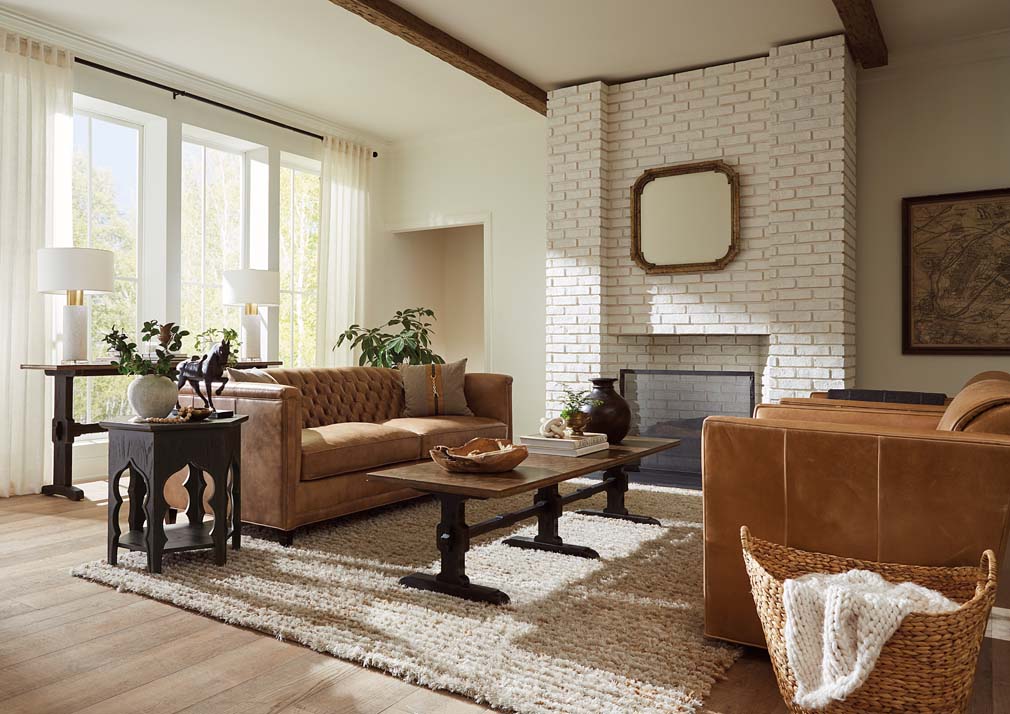
Ideal for larger rooms, this layout puts all furniture legs—sofa, chairs, tables—on the rug. It creates a cohesive, “everything belongs here” vibe. Just make sure there’s at least 8-12 inches of rug extending beyond the edges of your furniture so it doesn’t look like a too-tight tuxedo.
The Compromise: Front Legs On
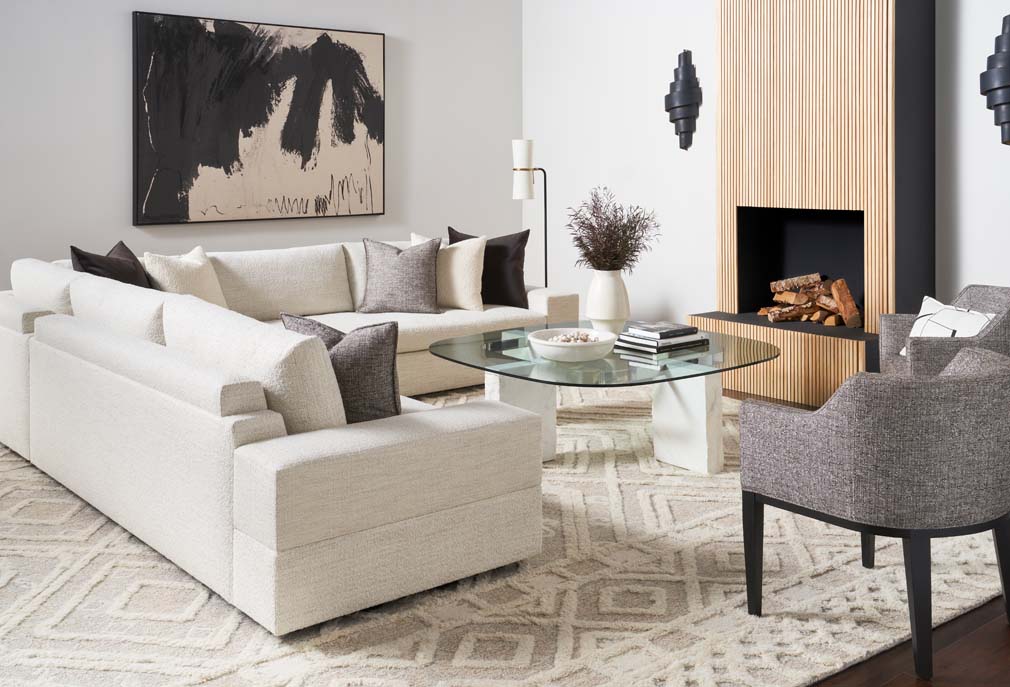
This is the go-to for most living rooms. The front legs of your sofa and chairs sit on the rug, while the back legs remain on the floor. It’s balanced, practical, and shows you know what you’re doing—even if you’re winging it.
The No-Go: Floating Rug Syndrome
Picture a 4×6 rug plopped in the middle of the room, with furniture orbiting around it like confused planets. This is the fastest way to make your room feel disjointed and undersized. Unless you’re designing a kid’s play area or a very specific focal point, rugs should not float in space. Ground your furniture!
What About Accent Chairs?
Good question! Accent chairs should either have their front legs on the rug (to tie them into the conversation area) or go all-in with all four legs on the rug if your layout and rug size allow. Avoid just barely grazing the edge—either commit or reposition. Half-hearted chair placement never did anyone any favors.
How Far Should a Rug Extend on Either Side of the Sofa?
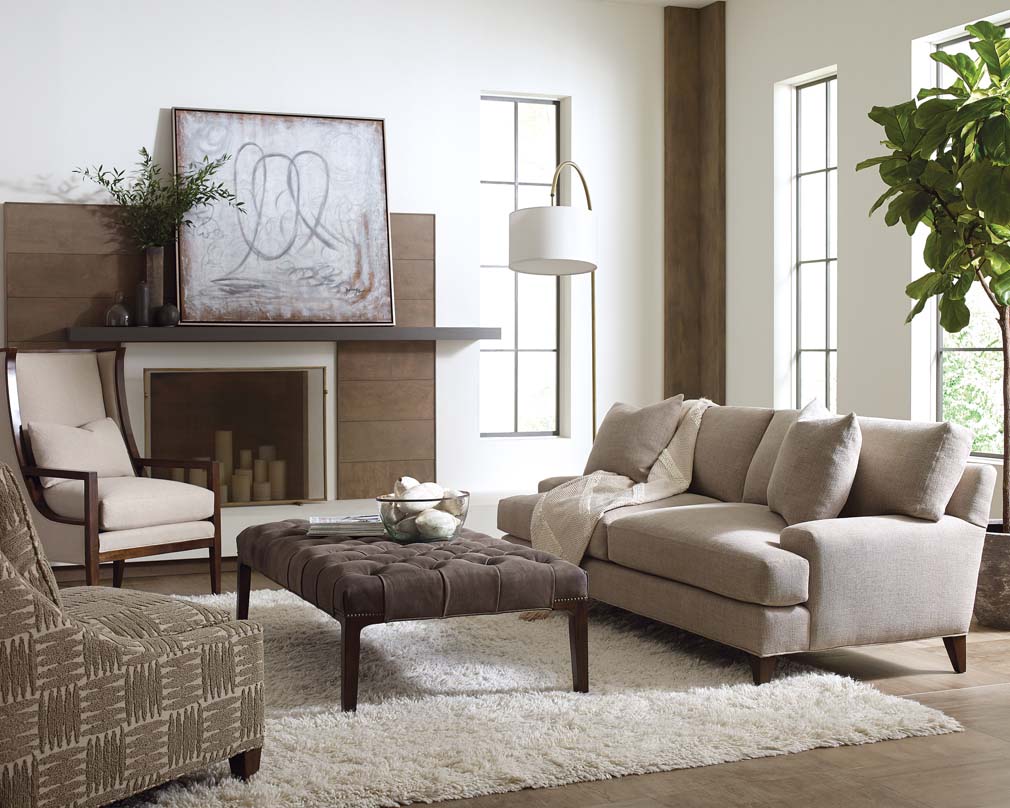
If you’re placing a rug in front of your sofa, aim for at least 6-10 inches of rug space on either side of the couch. This ensures the rug feels proportional to the furniture, rather than like a patchwork afterthought.
If the rug is the same width as your sofa—or worse, narrower—it’ll make the room feel cramped and awkward. Think of the rug as your stage, and the furniture as the performers. No one likes to be teetering on the edge of the spotlight.
A Quick Guide to Rug Types: What Are You Actually Standing On?
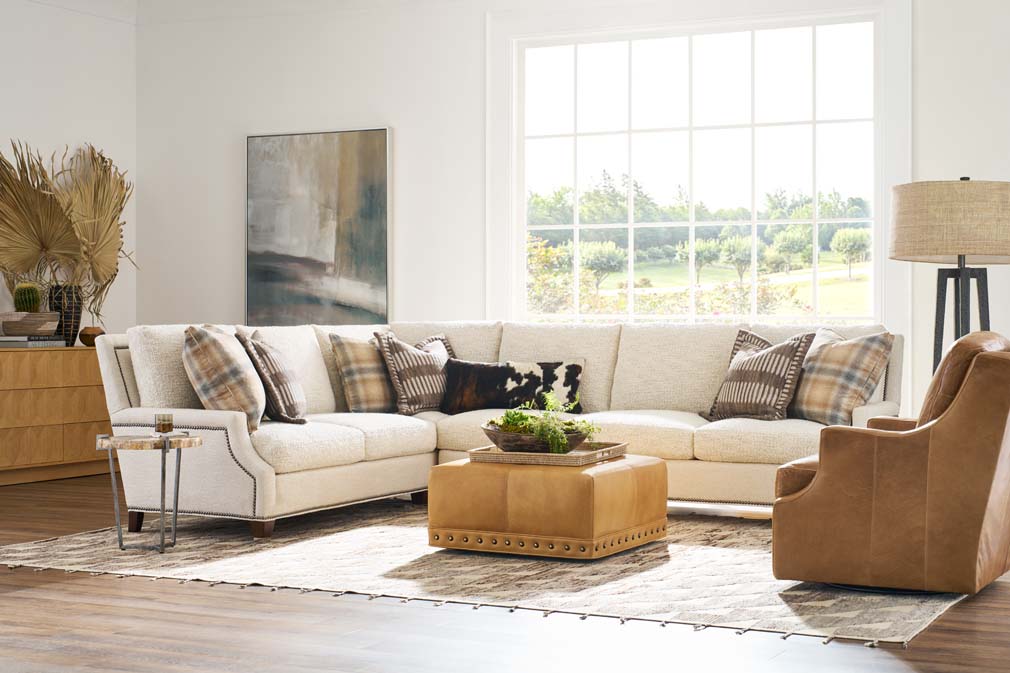
So now that you’ve nailed the size and placement, let’s talk rug construction. Not all rugs are created equal, and the price tags usually reflect that.
- Machine-Made Rugs
These are the budget-friendly workhorses of the rug world. Produced quickly on power looms, they come in every pattern, color, and size imaginable.
Pros: Affordable, consistent, often stain-resistant.
Cons: May wear out faster, especially in high-traffic areas.
Great for: High-use areas, quick design updates, or anyone with pets, kids, or commitment issues.
- Hand-Tufted Rugs
These are made by punching yarn through a canvas backing with a tufting gun. The design is often detailed, and they have a nice plush feel.
Pros: Softer, thicker than machine-made rugs; often look more expensive than they are.
Cons: Not as durable as hand-knotted; may shed over time.
Great for: Medium-traffic rooms where comfort and appearance matter.
- Hand-Knotted Rugs
The crème de la crème. Each knot is tied by hand, often taking months to complete a single rug. These are heirloom pieces.
Pros: Incredibly durable, unique, long-lasting—can last generations.
Cons: Pricey. But worth every penny if you want art underfoot.
Great for: Formal living rooms, collectors, and those ready to make a long-term investment.
Final Thoughts (and a Little Rug Humor)
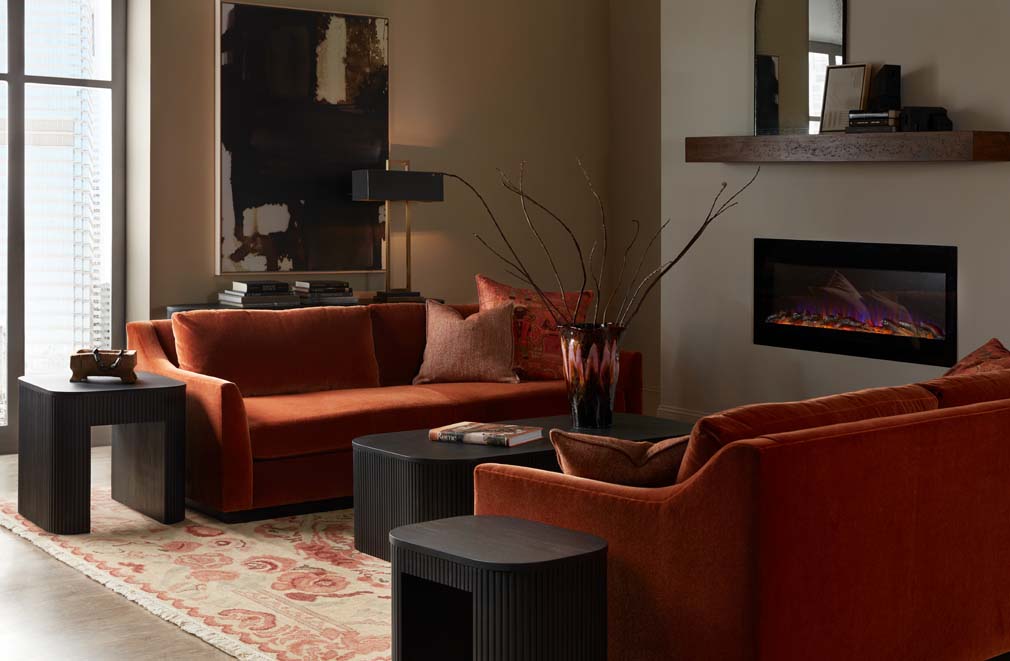
Choosing the right rug is a little bit science, a little bit art, and maybe a little bit of therapy if you’ve stared at too many fabric swatches. But in all seriousness, the right rug can transform your living room from “meh” to “magnificent” faster than you can say “pile height.”
So the next time you’re tempted to grab the first rug you see on clearance, remember this: size does matter, placement is everything, and understanding your rug’s construction might save you from a fuzzy disaster.
And whatever you do, don’t let your rug float aimlessly. That’s a job for your inflatable pool toys.